
For packaging customers, one factor has become increasingly important: the manufacturing plant locations.
Over the past several years, supply chain disruptions have changed the way companies think about manufacturing. Reliability is no longer measured only by product quality. It is also measured by how quickly suppliers can respond to changing demand and keep products moving.
For packaging customers, one factor has become increasingly important: the manufacturing plant locations.
A manufacturer’s plant locations are about much more than geography. They influence transportation costs, lead times, supply chain resilience, sustainability, and the ability to respond when the unexpected occurs.
How Regional Manufacturing Strengthens the Packaging Supply Chain
As supply chains continue to evolve, many companies are reevaluating how a manufacturing footprint can strengthen their overall packaging supply chain.
Every additional mile between a manufacturing facility and a customer introduces added cost, complexity, and potential disruption. Local manufacturing plants helps reduce many of those risks by providing:
- Shorter transportation distances
- Faster delivery times
- Lower freight costs
- Greater supply chain flexibility
- Reduced transportation emissions
If a disruptions occur, having local manufacturing capacity closer to customers provides greater flexibility. For companies operating across multiple regions, a distributed manufacturing network becomes an important part of overall supply chain resilience.
Local Manufacturing Supports Sustainability
Sustainability is not only about what a package is made from. It is also about how efficiently it moves through the packaging supply chain, and plant location plays a critical role.
Transportation contributes significantly to emissions, making shipping distance an important consideration for many organizations.
Local manufacturing and regional manufacturing help reduce transportation miles while supporting broader sustainability goals. And when combined with lightweight packaging designs and recyclable materials, optimized manufacturing networks contribute to a more efficient packaging lifecycle.
Manufacturing Location Is Becoming a Strategic Decision
Packaging decisions today extend well beyond material selection. For many organizations, manufacturing footprint has become a strategic business decision rather than simply a logistical one.
Companies are increasingly evaluating where products are manufactured, how they move through the packaging supply chain, and how manufacturing partners can help reduce risk while improving operational performance. Proximity often translates into flexibility, responsiveness, lower freight costs, and greater resilience.
The Value of a National Manufacturing Network
As companies expand into new markets, they often need packaging suppliers that can support operations across multiple regions while maintaining consistency in quality and service.
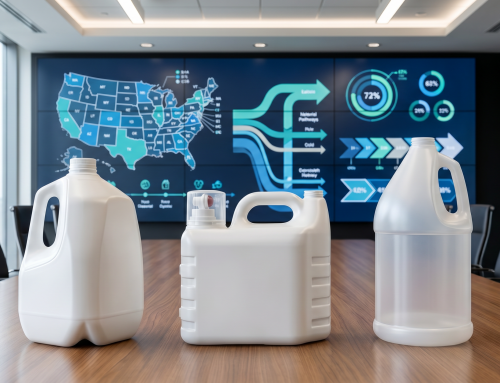
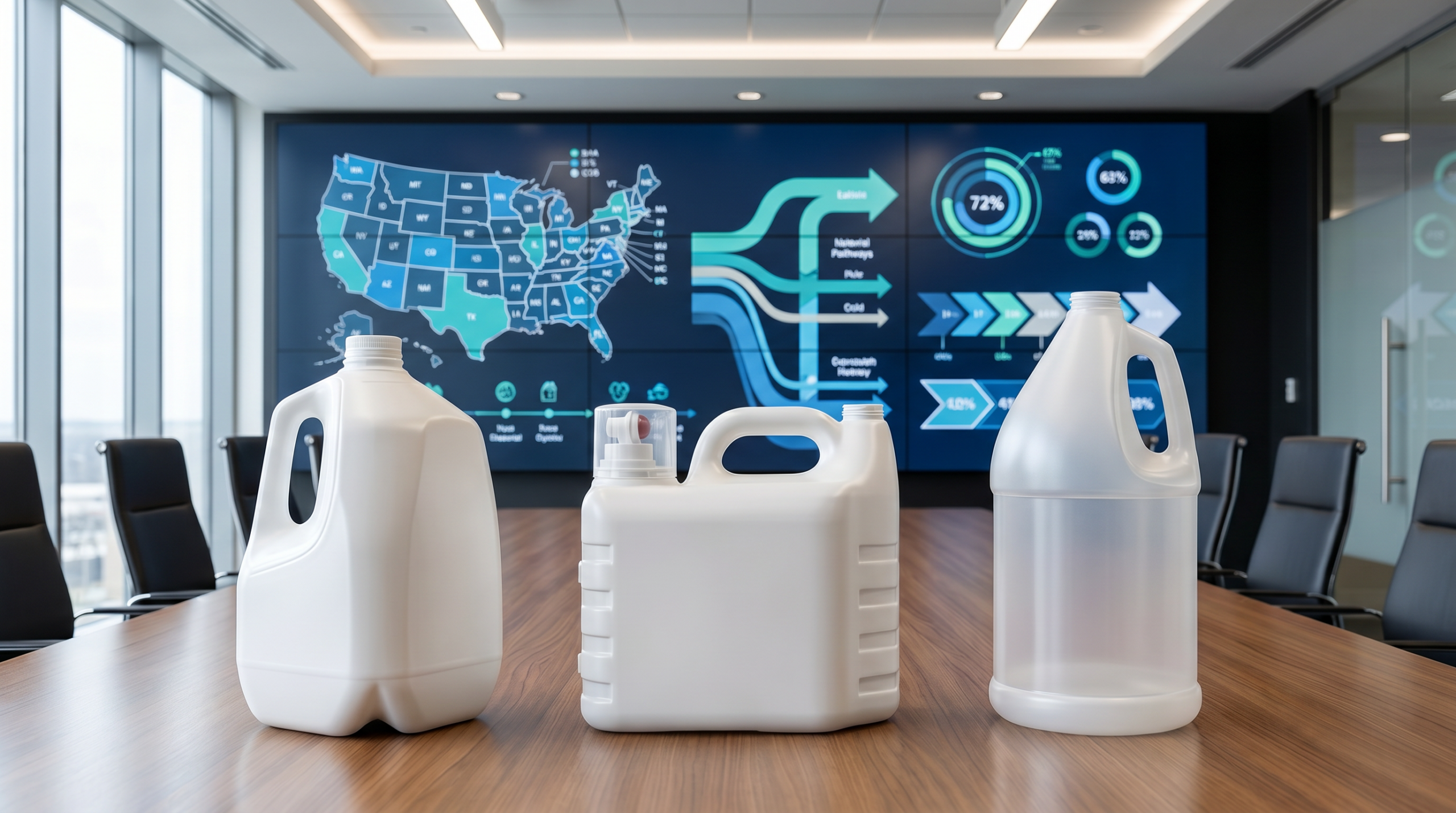
At Altium Packaging, more than 65 manufacturing facilities across North America allow the company to serve customers closer to where they operate while providing the flexibility to respond as business needs evolve.
That combination of local presence and national scale helps customers improve packaging logistics, strengthen supply chain resilience, and support long-term growth.
Learn more about Altium’s manufacturing network:
https://altiumpkg.com/locations/
FAQ
A national manufacturing network allows a packaging supplier to support customers across multiple regions, improve business continuity, maintain consistent quality, and respond more quickly to changing market conditions.
Yes. Local manufacturing reduces transportation miles and associated emissions while supporting more efficient packaging logistics and broader sustainability goals.
Regional manufacturing reduces shipping distances, lowers freight costs, shortens lead times, and provides greater flexibility during supply chain disruptions, helping companies build a more resilient packaging supply chain.
Packaging manufacturing locations affect transportation costs, lead times, customer service, supply continuity, and the ability to respond quickly to disruptions. Manufacturing closer to customers can improve both operational efficiency and supply chain resilience.
For many organizations, manufacturing footprint has become a strategic business decision rather than simply a logistical one.