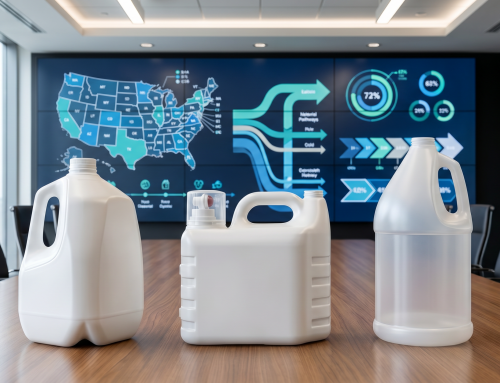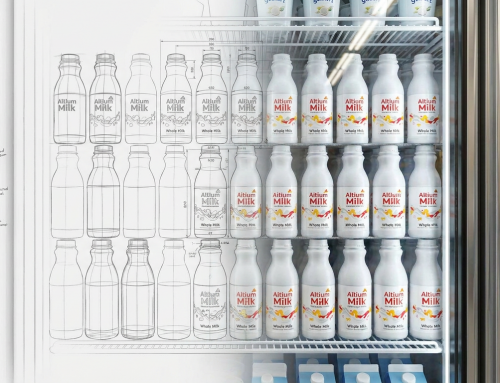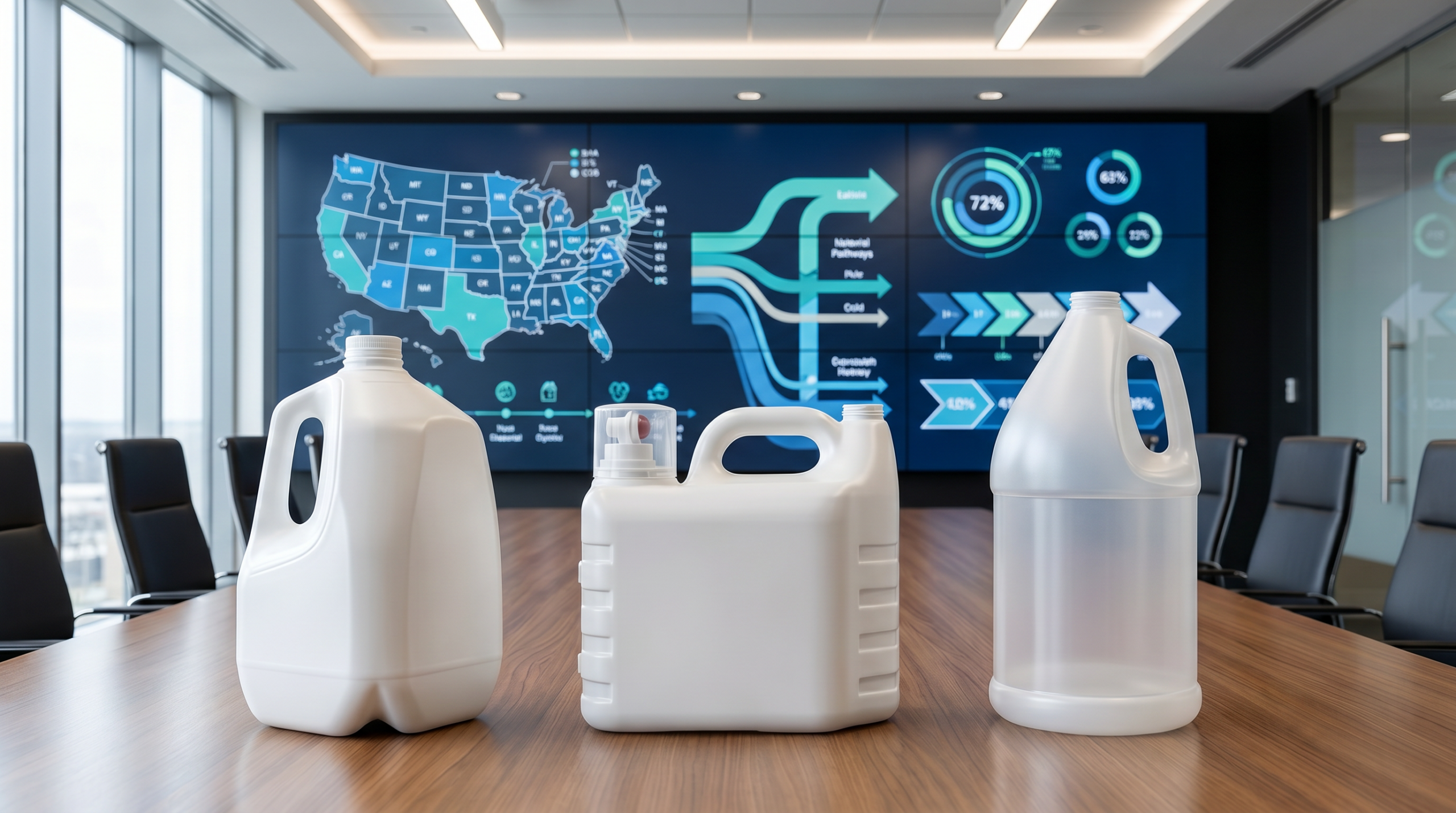

Over the past decade, the plastic industry … has seen an evolution in how packaging is designed and manufactured.
Over the past decade, the plastic industry has seen significant changes. Driven by consumer expectations, sustainability commitments and advances in recycling technology, the industry has seen an evolution in how packaging is designed and manufactured.
Today, plastic packaging is lighter and more efficient, more recyclable and more circular than ever before. The focus is no longer simply on creating packaging that performs well. It is on designing packaging that performs, while also conserving resources and creating long-term value across the supply chain.
Ultimately, companies are increasingly looking for packaging that helps them:
- Improve operational efficiency
- Reduce material use
- Increase recycled content
- Prepare for evolving regulations
- Meet customer sustainability expectations
- Strengthen supply chain resilience
And as the regulatory landscape continues to evolve, companies are increasingly reevaluating how packaging supports the broader business.
Innovation Driving Change
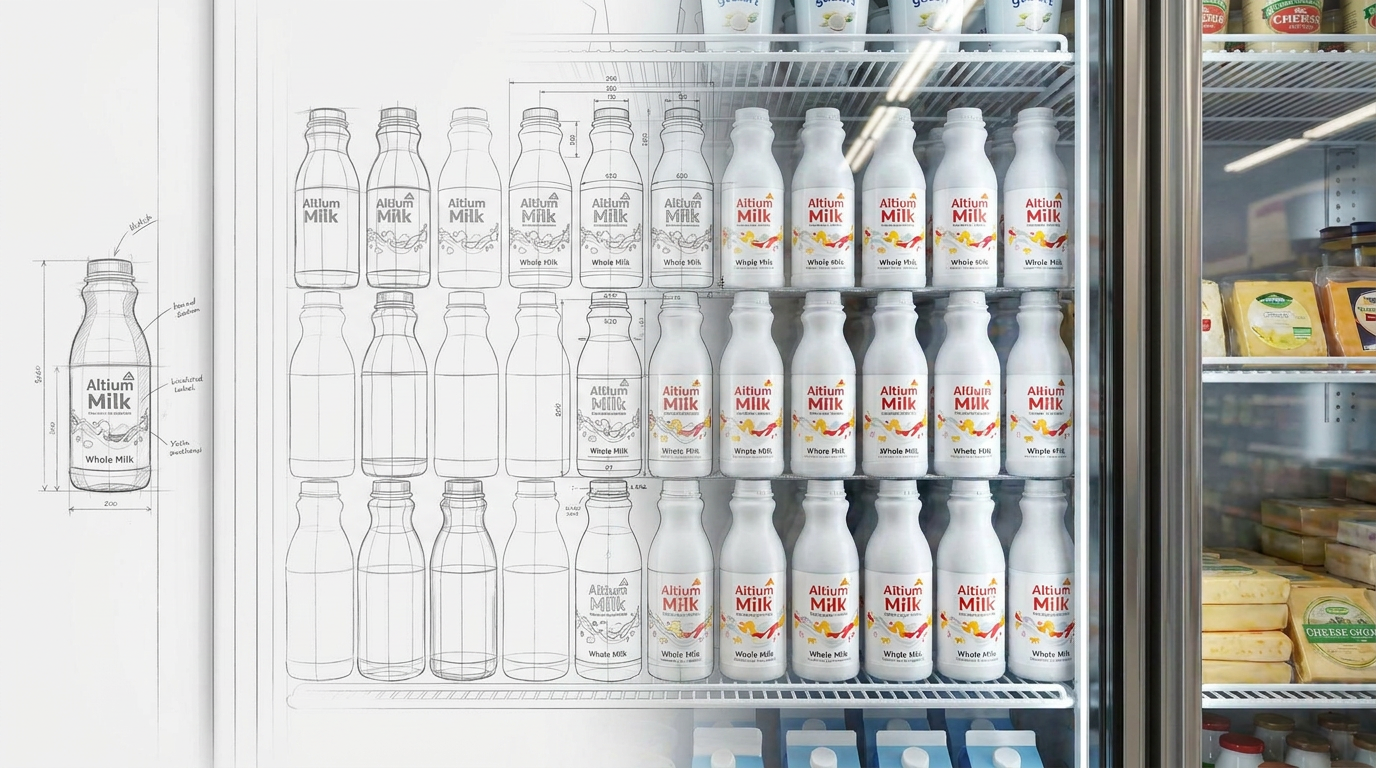
Changing needs have always driven innovation, and packaging is a prime example. As products traveled farther, packaging became lighter and more durable. As food safety became increasingly nuanced, packaging evolved to better protect products and extend shelf life. And as brands looked to improve operational efficiency, manufacturers like Altium developed packaging that reduced material use, optimized transportation, and improved performance.
Perhaps no issue has influenced packaging innovation more than sustainability. What began as a focus on reducing material usage has expanded to improved recyclability, increasing the use of post-consumer recycled (PCR) resin, designing for circularity, and reducing greenhouse gas emissions.
Today, many of the industry’s most significant innovations are centered on three areas: using less material, increasing the use of recycled content, and designing packaging that is easier to recycle. These advances are helping manufacturers improve sustainability while maintaining the performance customers expect.
Lightweighting is one example. By reducing the amount of resin used in a package without compromising functionality, manufacturers can reduce material consumption, transportation emissions, and overall environmental impact.
At Altium, that approach has been reflected in packaging innovations like Dura-Lite®, which can reduce resin usage by 5% to 20%, while maintaining, and often improving performance.
Advances in plastic recovery and recycling are making it possible to incorporate more post-consumer recycled (PCR) resin into new packaging, helping keep valuable materials in use and supporting a more circular economy.
Through Envision Plastics, Altium has helped advance that effort by producing nearly 2 billion pounds of recycled resin. Additional innovations, including EcoPrime®, OceanBound Plastic, and food-grade PCR resins, continue expanding the possibilities for sustainable packaging across industries.
Innovation As a Competitive Advantage
Industry research also shows that companies are increasingly viewing sustainable packaging as a competitive advantage. Packaging is no longer evaluated solely on cost or appearance. Organizations that invest in smarter packaging today are often better positioned to adapt to tomorrow’s challenges.
But the future of plastic packaging will not be defined by a single breakthrough. It will be shaped by continuous improvements like lighter bottles, smarter materials, better recycling systems, stronger partnerships, and packaging designed with its entire lifecycle in mind.
FAQ
By reducing the amount of resin used in a package without compromising functionality, manufacturers can reduce material consumption, transportation emissions, and overall environmental impact.